
Satlyt Raises $8 Million Seed Round to Launch Orbital AI Software on SpaceX Rocket
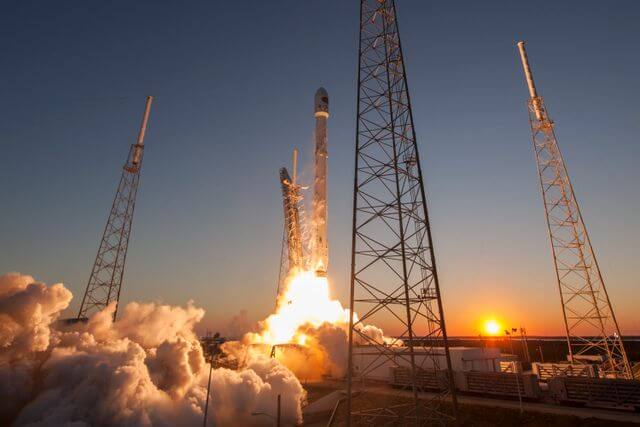
Satlyt Orbital Data Center Software developer Satlyt officially announced an $8 million seed funding round on October 13, 2026, led by Houston-based venture capital firm Non Sibi Ventures. Founded by Kenyan-American engineer Rama Afullo who previously pitched space computing internally at both Google and SpaceX before being turned down the Sunnyvale and Nairobi-based startup builds an open software platform designed to run artificial intelligence models across third-party satellite constellations. Satlyt’s software is scheduled to launch Thursday aboard a SpaceX Falcon 9 rocket alongside Google’s space data center prototype, Project Suncatcher, and hardware from Indian satellite manufacturer TakeMe2Space.
How Satlyt Orbital Data Center Software Cuts Costs for Satellite Operators
Satlyt does not plan to build its own spacecraft or satellite constellations, operating instead as a horizontal software platform that founder Rama Afullo compares to Android or VMware for space hardware. Rather than forcing every aerospace firm to build proprietary, closed infrastructure like an iPhone, Satlyt allows satellite operators to execute complex AI workloads and turn their existing orbital hardware into revenue-generating managed services.
                        Satlyt Space Compute Architecture
┌────────────────────────────────────────────────────────────────────────┐
│                        Satlyt Open AI Platform                         │
├───────────────────────────┬───────────────────────────┬────────────────┤
│ NASA Cloud Testing        │ Stellerian Surveillance   │ TakeMe2Space   │
├───────────────────────────┴───────────────────────────┴────────────────┤
│                     SpaceX / Google Orbital Hardware                   │
└────────────────────────────────────────────────────────────────────────┘
Key financial and operational efficiency metrics of the platform include:
- Over $100,000 Annual Savings Per Satellite: Transmitting raw sensor data back to Earth (downlink) is notoriously slow and expensive. Running AI directly on the satellite allows spacecraft to process data locally without sending massive raw data files back to ground stations.
- 60% Reduction in Data Transmission Size: In an earlier demonstration mission with spacecraft operator Momentus in 2026, Satlyt deployed Google DeepMind’s Gemma AI model in orbit, compressing onboard software error logs by more than 60%.
- $8 Million Seed Capital Influx: The funding round was led by Bernard Harris, a former NASA astronaut with over 20 years of space experience at Non Sibi Ventures, who confirmed that Satlyt’s success does not depend on risky multi-billion-dollar space data center builds, but simply on the growing volume of satellites launched each month.
When Does It Launch and Which Partners Are Testing Satlyt in October 2026?
Thursday’s upcoming rocket launch represents Satlyt’s third orbital demonstration mission, deploying its software environment onto hardware manufactured by Indian satellite startup TakeMe2Space. The October 2026 mission includes three primary commercial and government testing workloads:
- NASA: The US space agency is paying Satlyt to test experimental cloud computing and storage protocols directly in orbit.
- Stellerian: A space surveillance startup using Satlyt’s platform to process satellite imagery and track orbital objects in real time.
- TakeMe2Space: The satellite hardware manufacturer is utilizing the mission to demonstrate that its spacecraft can host third-party commercial software and generate recurring revenue.
Looking ahead to 2027, Satlyt’s next major milestone involves building a shared compute system a true space cloud spanning two separate satellites operated by different companies in orbit.
How Does Satlyt Compare to Other Space Tech Giants, and What Is Our Take?
While industry heavyweights like SpaceX pursue massive orbital data center builds and Google tests Project Suncatcher, the immense capital expense of launching heavy hardware and power-hungry GPUs remains a major bottleneck. Startups like Starcloud and Cowboy Space Company are attempting to launch proprietary hardware fleets, but Satlyt takes a far more pragmatic, asset-light approach by focusing exclusively on the software layer.
       Comparison of Space Data Center Infrastructure Approaches
┌──────────────────────┬────────────────────────┬────────────────────────┐
│ Strategic Dimension  │ Hardware Builders      │ Satlyt Software Engine │
├──────────────────────┼────────────────────────┼────────────────────────┤
│ Primary Focus        │ SpaceX, Google, Starcloud│ Open Software / Android│
│ Capital Requirement  │ Hundreds of Millions   │ $8M Asset-Light Seed   │
│ In-Orbit Operations  │ Proprietary Constellation│ Multi-Tenant / Shared │
└──────────────────────┴────────────────────────┴────────────────────────┘
At our editorial desk, we view Satlyt Orbital Data Center Software as a masterstroke in timing for the aerospace computing industry. Just as Android unified a fragmented mobile phone market, Satlyt is positioning itself to become the default operating layer for every spacecraft equipped with onboard processors.
With predictions that up to 20% of commercial and military satellites will carry GPUs by the end of the decade, Satlyt addresses the space industry’s biggest operational hurdle: eliminating downlink latency through edge AI processing in orbit.