
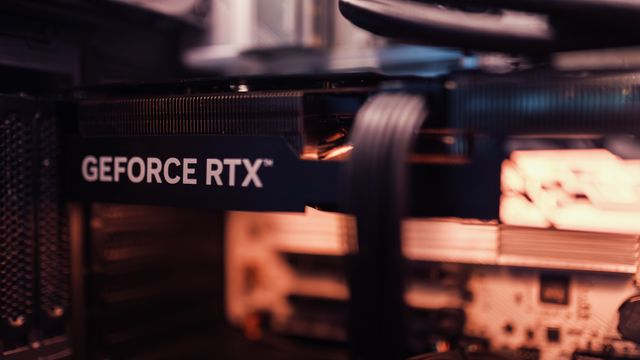
The Ultimate Nvidia-chip AI PCs Unveiled by Microsoft with Revamped Windows 11
Nvidia-chip AI PCs have officially entered the market following a major hardware announcement by Microsoft during San Francisco’s Tech Week. Building on collaborative agreements established earlier in the year, technology developers revealed comprehensive pricing and specifications for advanced hardware powered by specialized processors. These new Nvidia-chip AI PCs aim to bridge the gap between heavy computational workloads and local device efficiency, allowing engineers, creators, and enterprise professionals to run complex artificial intelligence models directly on local hardware without relying entirely on external cloud infrastructure. Throughout the modern technology sector, the demand for decentralized processing capabilities has accelerated rapidly, forcing hardware manufacturers to rethink traditional computer architectures from the ground up.
The flagship consumer hardware introduced at the major technology event is the Surface Laptop Ultra, arriving in base models starting at $2,600 and scaling up to $5,900 for fully upgraded memory and storage configurations. Alongside the premium laptop, Microsoft revealed a heavy-duty professional workstation called the Surface RTX Spark Dev Box, priced at $6,000 and pre-loaded with essential development utilities and specialized software environments. These professional systems are engineered specifically to handle localized agent execution, leveraging customized cooling systems, unified memory pools, and advanced graphics architecture designed for extreme multitasking. Early market reception indicates strong demand, with top-tier hardware configurations selling out almost immediately following the initial public showcase.
The introduction of these powerful computing systems reflects a broader transformation in how personal computers handle intensive automated tasks and background processing. For years, running large language models and autonomous software agents required massive server clusters housed in remote data centers. Today, rapid advancements in silicon engineering and semiconductor manufacturing allow consumer-grade and professional hardware to shoulder these immense workloads locally. This shift not only reduces operational latency and bandwidth costs for developers but also addresses growing privacy concerns by keeping sensitive data strictly on the user’s physical device. As artificial intelligence becomes an inescapable part of daily digital workflows, having dedicated local processing units is no longer a luxury but an absolute necessity for productivity.
Execution Containers and Local Processing in Nvidia-chip AI PCs
The core technological leap accompanying these Nvidia-chip AI PCs is a revamped version of Windows 11 featuring a groundbreaking capability known as Execution Containers. This advanced sandboxing architecture allows safe, isolated execution of autonomous agents and automated workflows locally on the device without risking system stability. Technology executives emphasized during the keynote presentation that modern artificial intelligence deployments require sophisticated orchestration layers, long-term memory structures, and secure action spaces rather than isolated models operating blindly. Without proper sandboxing and memory management, deploying autonomous software agents directly on local operating systems could introduce severe security vulnerabilities and performance bottlenecks.
By making execution containers universally available across the broader Windows 11 ecosystem, the software platform aims to support independent software agents developed by any vendor or third-party creator. Developers targeting these advanced hardware systems can utilize pre-installed tools such as integrated development environments, command-line interfaces, and specialized Linux subsystems right out of the box. This seamless integration drastically reduces setup friction for experimental artificial intelligence projects, enabling programmers to transition from concept to execution in a fraction of the traditional time. Furthermore, the ability to orchestrate multiple models simultaneously within a secure environment opens up entirely new possibilities for desktop automation and professional software engineering.
The integration of these low-level architectural features demonstrates Microsoft’s commitment to building a comprehensive ecosystem for next-generation software development. As developers begin building complex multi-agent systems that interact directly with local files, applications, and web browsers, having a secure containment layer becomes paramount. The collaboration between chip designers and operating system engineers ensures that hardware and software optimize each other’s performance, delivering smooth execution even under maximum system load. This synergy between advanced silicon and optimized operating system design sets a formidable benchmark for the entire personal computing industry moving forward.
Developer Targeting, Trade-In Incentives, and Competitor Hardware
The hardware rollout is heavily tailored toward software engineers and artificial intelligence researchers, a demographic that has historically favored alternative computing environments and Unix-based operating systems. To accelerate hardware adoption among this influential group, aggressive incentive programs are being deployed, including direct trade-in discounts for users migrating away from legacy systems. Beyond raw development tasks, the robust graphical processing power ensures these machines excel at demanding multimedia creation, video rendering, and high-performance gaming. By appealing to multiple demanding use cases simultaneously, manufacturers hope to capture a diverse audience ranging from enterprise software developers to creative professionals.
Concurrent hardware announcements from major industry partners like Dell indicate a broader market shift toward localized neural processing across the entire personal computer landscape. Alternative creator editions arriving for retail delivery highlight an expanding marketplace where hardware manufacturers and chip designers collaborate closely to meet rising enterprise demands. As local agent execution becomes a standard requirement for modern workflows, these specialized computing platforms are establishing a definitive benchmark for future personal computing. Consumers and enterprises alike now have access to unprecedented computational power, transforming the personal computer from a passive screen into an active, intelligent digital assistant capable of solving complex problems autonomously.