
Europe Enters a New Era of Mega Fires as France and Spain Battle Record Blazes
A Record-Breaking Fire Season Unfolds Across Southwestern Europe
Table of Contents
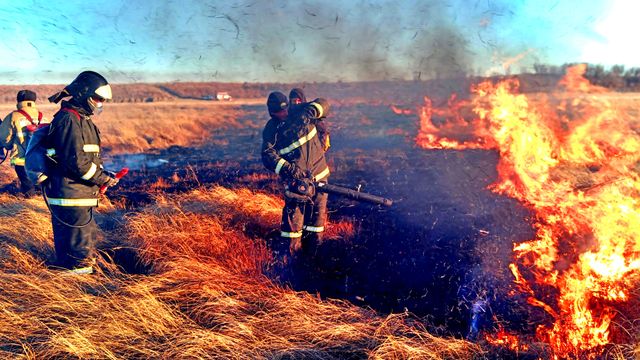
Europe wildfires 2026 have reached a scale never seen before, with southwestern France currently battling the largest blazes ever recorded in the country’s history. More than 160,000 hectares roughly 617 square miles — have already been reduced to ash, and experts warn that months of fire season still remain, raising fears the destruction is far from over.
The blazes have grown so intense that they triggered a rare fire-generated thunderstorm, a phenomenon known as a “pyrocumulonimbus” cloud. While this type of event is relatively well documented in fire-prone regions of the United States, Canada, and Australia, it had never before been confirmed in France until now.
Why Scientists Are Calling This a New Fire Era
Fire researchers say Europe wildfires 2026 represent more than isolated incidents the continent is entering a sustained period of extreme, back-to-back fire seasons, a pattern already seen in regions like Siberia and the Amazon.
French President Emmanuel Macron described the current crisis as the most severe the country has faced since World War II, calling the scale of the fires entirely unprecedented during a visit to the affected Bordeaux region.
Spain Faces Its Largest Wildfire on Record
The devastation isn’t limited to France. In Spain, a massive blaze tearing through the mountainous Ávila province, west of Madrid, has become the country’s largest wildfire ever recorded. Both nations have formally requested emergency assistance from the European Union as firefighting resources are stretched thin.
Authorities reported that some fires had been partially stabilized, but warned conditions could worsen again amid Europe’s fourth heat wave of the year. More than 300,000 people have already been evacuated across France and Spain combined, though some residents began returning home as containment improved in certain areas.
Greece, Turkey, and Italy Also on High Alert
The fire crisis is spreading beyond the Iberian Peninsula. In Greece, at least three firefighters have lost their lives battling blazes on the island of Crete and near Gythio, prompting evacuation orders and a statement of condolence from Greek Prime Minister Kyriakos Mitsotakis. Turkey has also reported fast-spreading fires along its Aegean coast, while the EU has flagged elevated fire risk in Greece and Italy going forward as the summer progresses.
The Climate Link: A “Whiplash Effect”
Scientists point to a specific weather pattern as a key driver behind this year’s extreme fire behavior. An unusually wet winter across France and Spain fueled rapid vegetation growth. That was followed by a string of intense heat waves beginning in May, which dried out the landscape and turned the excess plant growth into highly flammable fuel — a swing researchers describe as a climate “whiplash effect” that primes landscapes for catastrophic burning.
Long-Term Consequences Beyond the Flames
As Europe wildfires 2026 continue to intensify, experts warn the damage will extend well beyond containment. Wildfire smoke poses serious health risks, with pollution from fires linked to more than 100,000 deaths worldwide each year. Economically, the fires threaten tourist destinations, wine-producing regions, and infrastructure near major cities across two of Europe’s most visited countries.
Researchers caution that as global temperatures continue to rise due to fossil fuel emissions, Europe should brace for increasingly frequent and severe wildfires — potentially reaching the catastrophic scale already seen in California and Australia, where fires have burned across hundreds of thousands, and at times over a million, hectares in a single season.