
ChatGPT Launching Virtual Try On Feature Powered by New AI Model
OpenAI has officially unveiled the ChatGPT virtual try on capability as part of a major suite of interactive e-commerce upgrades designed to transform how millions of consumers discover and purchase products online. The global rollout introduces interactive digital fitting rooms directly into conversational chat streams alongside personalized product organization tools. This strategic update highlights OpenAI’s aggressive push into retail discovery and fashion inspiration, positioning its platform to compete directly with dominant shopping hubs like Google Shopping, Instagram, and Pinterest.
The new ChatGPT virtual try on functionality leverages the advanced capabilities of the recently released ChatGPT Images 2.5 architecture. According to official technical specifications, this updated generative engine delivers enhanced lighting rendering, realistic fabric textures, precise edit adherence, and significantly reduced image generation latency. As artificial intelligence applications expand beyond simple textual answers into fully autonomous consumer agents, delivering seamless visual commerce experiences has become a core priority for frontier technology laboratories aiming to capture the future of digital retail.
How the ChatGPT Virtual Try On Feature Operates
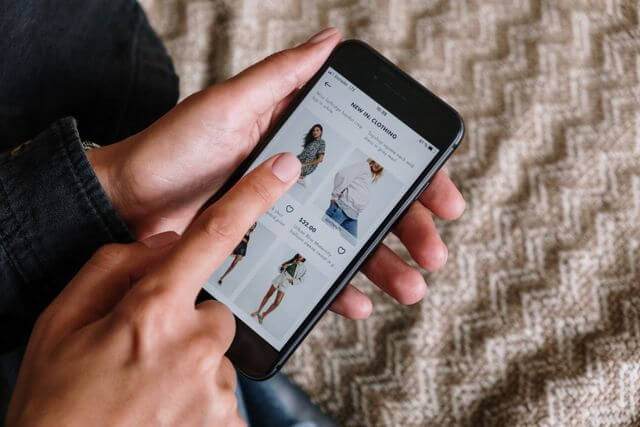
To initiate the ChatGPT virtual try on workflow, users simply upload a full-body photo or a standard selfie directly into the chat interface. When browsing product recommendations generated within chat queries, a dedicated “Try On” button now appears alongside apparel items, footwear, and fashion accessories. Alternatively, shoppers can upload web screenshots of specific dresses, jackets, or luxury items found across external online stores and prompt the assistant to render those exact garments onto their uploaded personal photos in real time.
Alongside the visual fitting tool, OpenAI introduced a dedicated “Favorites” library feature designed to streamline the online shopping journey. Users can now bookmark discovered products and store generated fitting previews inside a unified application tab for subsequent review, comparison, or purchase. This organization layer ensures that consumers do not lose track of curated fashion items while navigating through long conversational threads across different devices.
Furthermore, the conversational assistant can execute multi-step stylistic requests with impressive context retention. Users can describe abstract aesthetic concepts, ask the model to curate complete multi-piece outfits based on current seasonal trends, or upload celebrity style photos to automatically locate commercially available matching items across partner retail stores. By combining visual processing with deep stylistic reasoning, the system functions as a hyper-personalized digital stylist capable of serving millions of concurrent shoppers simultaneously.
AI Shopping Competition and Market Challenges
The rollout of the ChatGPT virtual try on tools represents OpenAI’s second major attempt to capture e-commerce market share after previous monetization initiatives faced consumer friction. An earlier experiment involving instant checkout mechanisms failed to achieve widespread adoption, as users preferred completing transactions directly through trusted retailer websites. Meanwhile, competing agentic startups like Instinct faced backlash after pushing proactive product recommendations that users perceived as intrusive advertising rather than helpful shopping assistance.
Moreover, major digital incumbents are already well-established in visual fashion discovery and automated retail workflows. Tech titan Google deployed AI-driven virtual fitting rooms across its search engine over a year ago, allowing consumers to preview apparel across diverse body types. Similarly, social platforms like Pinterest remain primary channels for visual inspiration and mood board curation that seamlessly convert casual browser engagement into direct affiliate e-commerce sales.
Despite existing market competition, integrating the ChatGPT virtual try on engine directly into a conversational interface used by over a billion monthly visitors provides OpenAI with massive structural leverage. As generative models improve visual fidelity, maintain accurate clothing proportions, and lower processing latency, personalized conversational shopping experiences are poised to capture a substantial share of total global digital retail volume over the coming years.