
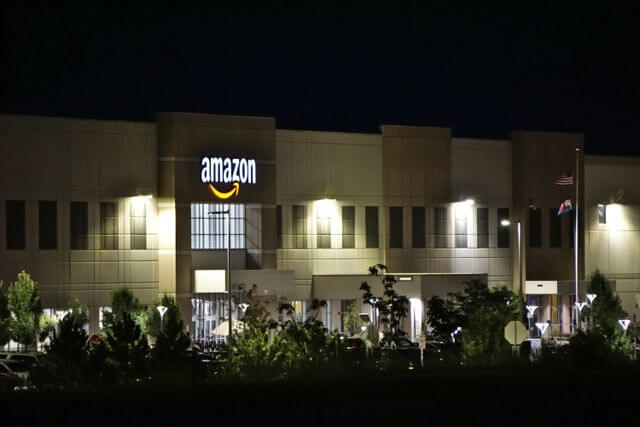
Amazon and Microsoft Drop NDAs as AI Data Center Backlash Intensifies
AI Data Center NDA Backlash has forced tech giants to drastically re-evaluate how they negotiate multi-billion-dollar infrastructure projects with local municipalities across the United States. Following Microsoft’s strategic policy shift earlier this year, Amazon officially announced that it will no longer use non-disclosure agreements (NDAs) when negotiating data center developments with municipal governments.
The decision comes as hyperscalers face an unprecedented wave of political, environmental, and public resistance. Local communities, increasingly burdened by soaring electricity bills, regional water depletion, and declining property values, are pressuring local councils to enact strict municipal moratoriums on new data center permits. By abandoning secret deal-making tactics, tech leaders hope to rebuild broken public trust yet industry observers remain highly skeptical that transparency alone can neutralize growing hostility toward artificial intelligence infrastructure.
The Secrecy Trap: How Hidden Deals Fueled Community Hostility
The fundamental driver behind the AI Data Center NDA Backlash is the tech industry’s long-standing habit of operating behind a wall of corporate secrecy. For years, major cloud providers negotiated tax subsidies, land rights, and massive utility allocations without disclosing to local residents who would actually occupy or operate the facilities once completed.
This lack of transparency created deep resentment among taxpayers, who frequently discovered that high-voltage power lines, cooling towers, and increased utility rates were being approved behind closed doors. Industry analysts point out that NDAs allowed corporate negotiators to demand excessive municipal concessions, directly echoing mid-2010s expansion tactics deployed by companies like Uber when extracting public transportation subsidies from local governments.
Key operational and community factors escalating pushback include:
- Unprecedented Utility Bill Spikes: Local residents worry that massive data center electrical consumption forces regional power grids to raise electricity rates for residential homes to fund grid upgrades.
- Severe Environmental Strain: Industrial water consumption required to cool high-density AI server racks threatens municipal water reserves, especially in regions prone to seasonal droughts.
- Minimal Long-Term Job Creation: Unlike traditional manufacturing facilities that employ thousands of local workers, fully automated data centers offer minimal long-term local employment once initial construction phase finishes.
“The industry just does a really poor job explaining itself,” noted tech journalist Sean O’Kane during TechCrunch’s Equity podcast. “They are constantly frustrated that most people can’t envision a world in which this stuff is useful for them—and that’s because the projects were negotiated essentially in secret.”
Deep Dive: Are Temporary Moratoriums Actually Stopping Big Tech?
While public anger fuels the AI Data Center NDA Backlash, industry experts remain divided on whether local building bans will permanently derail artificial intelligence expansion. Municipal moratoriums such as those enacted recently in San Francisco and New York state typically pause project permitting for 12 to 24 months to allow state authorities to conduct comprehensive environmental impact reviews.
However, because enterprise data centers require three to five years to advance from site selection to active server deployment, temporary bans may simply delay buildouts rather than cancel them outright. Furthermore, municipal moratoriums often contain legal wiggle room, framing the pauses not as permanent rejections, but as temporary study periods that allow local officials to approve projects later under revised environmental terms.
Despite these procedural buffers, tech executives and venture capitalists are visibly anxious. Prominent tech investors and political figures have launched aggressive public campaigns urging immediate infrastructure expansion, arguing that regulatory delays will allow international rivals to gain an insurmountable lead in artificial intelligence compute capacity.
The Communication Breakdown: Failed PR Strategies and “Inevitable” AI Narratives
Beyond the physical footprint of server farms, the AI Data Center NDA Backlash highlights a broader communication failure across the entire technology sector. For nearly three years, tech conglomerates promoted an aggressive corporate narrative that an AI-driven transformation was entirely inevitable, instructing the public to adapt immediately or risk being left behind economically.
However, as consumer frustration grows over unproven software tools, vague corporate promises such as Tesla’s ill-defined “sustainable abundance” mission are meeting fierce public skepticism. Rather than quietly accepting industrial expansion, local communities are asserting their regulatory power, demanding concrete proof that hyper-scale compute clusters deliver real economic value to the regions hosting them.
Essential communication and operational shifts required to stabilize community relations include:
- Full Fiscal and Environmental Transparency: Disclosing exact energy requirements, water usage metrics, and real tax revenue contributions prior to public town hall meetings.
- Direct Media and Public Engagement: Abandoning corporate “go-direct” communication strategies in favor of independent, science-backed environmental assessments.
- Clean Energy Infrastructure Investment: Funding local clean-energy generation and water-recycling infrastructure rather than draining existing public utilities.
Our Take: Why Scrapping NDAs Is Only the First Step for Big Tech
At our editorial desk, we view the AI Data Center NDA Backlash as a long-overdue reality check for Big Tech’s aggressive expansion model. For too long, hyper-scaler cloud providers treated local infrastructure negotiations like proprietary corporate secrets, leaving host communities to absorb environmental risks, noise pollution, and utility rate hikes.
While Amazon and Microsoft deserve recognition for abandoning non-disclosure agreements, ending corporate secrecy will not magically solve energy grid constraints or local power concerns. If AI developers want to secure land and power for next-generation data centers, they must stop demanding blind public trust and start building renewable energy infrastructure that directly benefits the communities they enter.